Police and Ambulance Vehicle Decontamination
Emergency vehicle decontamination covers transport units, police cars and ambulances.
See police and ambulance vehicle decontaminationGet blood, bodily fluids, waste and odor removed from a car, truck, RV or boat in Norton Commons. Vehicle biohazard remediation reaches hidden contamination in seats, carpet, trim and the air system.
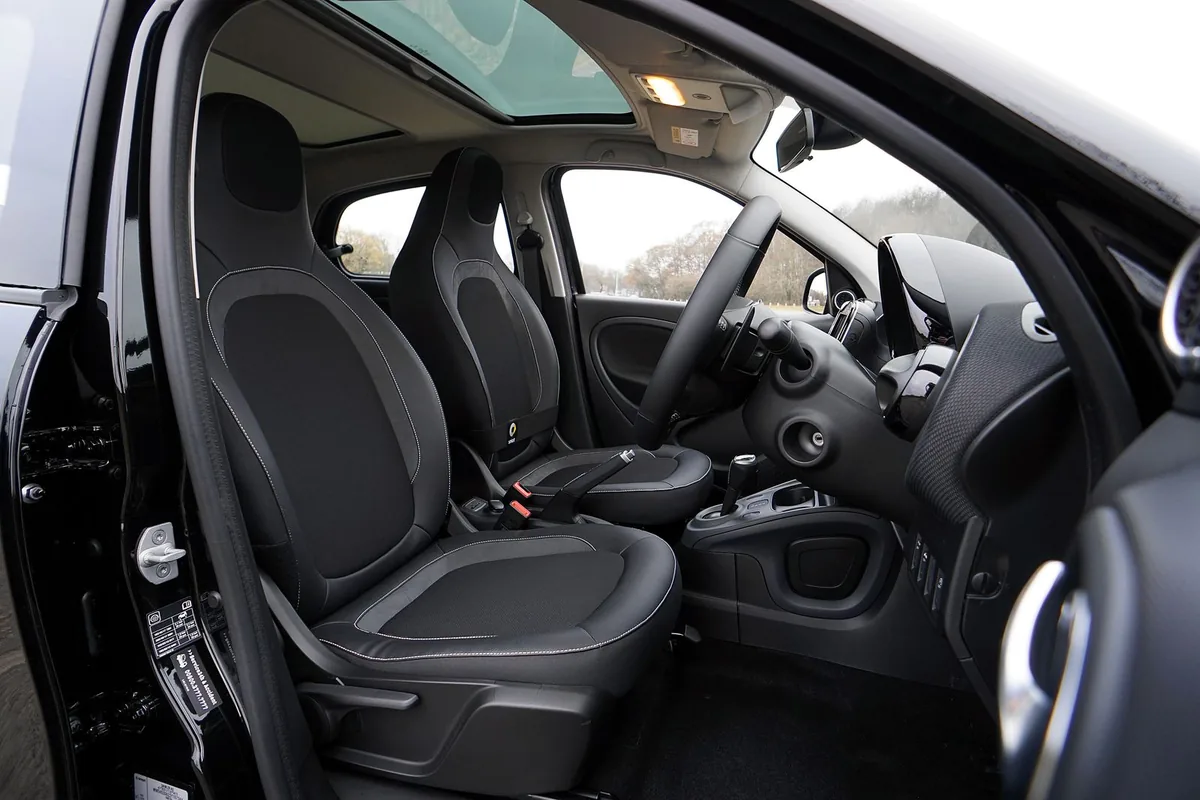
Careful removal of blood, waste from people or animals, body fluids and other contamination from a car, RV, truck, fleet vehicle or boat is vehicle biohazard cleanup. After removal, the affected area is cleaned, disinfected and treated for odor.
A vehicle interior has many hidden pathways. Liquid can pass through a seat cover into foam, run beneath carpet, collect along trim clips and reach wiring channels. Airflow can also carry odor into the cabin filter and vents. Ordinary detailing focuses on appearance, while vehicle biohazard remediation follows the contamination into the affected area and surrounding areas.
Protective equipment and a controlled inspection come first. Next, affected material that cannot be thoroughly disinfected is taken out, surfaces are carefully cleaned, and hazardous waste goes to proper disposal. EPA-registered disinfectants stay wet throughout the contact time printed on the label. These steps show you what may be kept and which cabin parts have to be removed.
Before you choose a cleanup company, ask how the vehicle will be inspected. Ask for inspection results, what can stay, what must come out and the factors affecting cost before choosing how to move forward.
Photographs, work details and removed-material records can be arranged for the property owner, fleet manager or your insurance company.
Phone help is available during the day or night, with workers arriving in unmarked vehicles. Your circumstances can be discussed confidentially, giving you space to choose what happens next.
Your input guides the way personal belongings, records and tools are organized. Property is not discarded merely for having been located within the vehicle.
Every situation is different, but biohazard vehicle cleaning services are needed when contamination goes beyond a small mark that can be safely wiped from a hard surface. These are common reasons to keep the vehicle closed and ask for an inspection:
Exposure and puncture hazards come with discarded needles or drug paraphernalia. Keep your hands out of door compartments and spaces under seats because hidden sharps may be present.
Work trucks, emergency response vehicles, taxis and rideshare cars may have to complete a recorded cleaning process prior to reentering service.
After law enforcement releases a vehicle connected to a crime or traumatic event, a cleaning service can address contamination without asking you or your loved ones to face it.
A vehicle death may affect air quality along with seat foam, trim and floor coverings. Source removal comes before disinfection and odor removal.
Begin by reducing contact and preventing affected material from traveling farther inside the vehicle. Before cleanup technicians examine it, use these precautions:
Call (888) 440-9227For biohazard cleanup of a vehicle, the published range is $500 to $5,000. What you finally pay depends on interior materials, event severity, time passed since the event and the need for air-system decontamination. An inspection is required to find possible contamination hidden under a seat or beneath the carpet rather than visible at the door.
Published national cost guides are the source for these ranges, rather than an inspection of your property. The price for your property is set after the on-site assessment, and you hear it before work starts.
Ask about cost: (888) 440-9227Auto insurance can sometimes cover vehicle biohazard cleaning when the underlying event falls within your policy. Since deductibles, required documents and coverage differ, ask the insurance company about them before authorizing the work if circumstances permit.
Your file should include the claim reference, photos, cleaning scope, waste documentation and removed-material list. Check with your claims adjuster prior to disposing of damaged items that could require examination.
Claim initiation and permission to access the car usually come from its owner or fleet manager. Business insurance can set its own documentation rules, coverage limits and exclusions.
Without entering or changing the car, explain what occurred to the claims adjuster. Ask the insurer whether your policy covers cleaning, towing, restoration and removal of affected interior components.
Victims of violent crime can ask the Kentucky Crime Victims Compensation Board about cleanup. State law lists crime scene cleanup at the victim's home or business, with a short time limit, so ask early. Insurance is usually checked first.
The vehicle biohazard remediation process follows a controlled order through the entire process so contamination does not spread from one part of the cabin to another. Every step depends on the event, interior materials and time since exposure.
Cleanup technicians inspect the vehicle cabin, trunk, cargo area, flooring, seat seams and air intakes that can be seen. Images create a record of the original condition and help establish the job details.
Public access is restricted around both the work area and vehicle. Technicians use gloves, protective clothing, eye protection and other gear suited to the exposure.
You can decide what happens to contaminated materials, while belongings are divided into unaffected, potentially cleanable and affected groups.
When contamination soaks into vehicle materials beyond complete disinfection, only the affected foam, fabric, padding, headliner, carpet or trim is removed.
Cleaning solid surfaces comes first, followed by application of an EPA-registered disinfectant. The surface stays wet for the contact time stated on the product label.
Possible odor or contamination within climate components calls for checking the cabin filter, vents and air inlet. Source removal remains the first priority.
Packaging and disposal of removed items follow the regulations for that type of waste. Cleanup paperwork can become part of your claim documentation or vehicle fleet file.
To avoid material being left behind, cleanup technicians visually inspect the affected areas along with surrounding areas. The final summary tells you which items were taken out, what surfaces were cleaned and which restoration services remain.
Call at any time. Your vehicle biohazard cleanup specialist answers the phone, describes what happens next and works with you on a start time.
A vehicle has a small and enclosed cabin, where waste, blood, bodily fluids and sharp objects out of sight can pose serious health concerns.
Odors may grow stronger with warmth and poor ventilation. Odor may enter the vents or cabin filter if the air system operates while the source remains.
Under seats, inside pockets and around personal property are places where a needle may remain unseen. You risk exposure by sorting through the cabin without tools designed to resist punctures.
Fluids travel downward and through joined edges. Dry-looking surfaces can hide fluid that reached seat cushioning, carpet underlay, fasteners and floor channels.
Can you clean it yourself? Wear gloves to treat several recent drops on a solid, non-absorbent area. Use an EPA-registered disinfectant and observe its complete labeled contact time. If a sharp item is present or fluid has penetrated a seam, upholstery, padding, carpet, roof lining or vent, do not enter and seek professional cleanup.
An inspection determines how long vehicle biohazard cleaning will take. Work limited to a hard surface is quicker than a cleanup involving removal of seats or carpet, inspection of vents, multiple treatments or parts that must be replaced.
| Scene | Typical time on site |
|---|---|
| Limited hard-surface contamination | Schedule determined once the affected area has been examined |
| Seats, carpet or cargo area affected | Work takes longer when affected parts must come out |
| Widespread contamination or air-system work | Timing depends on access, drying and restoration needs |
Effective odor removal in a vehicle starts by locating the affected source and removing it. A fragrance, surface shampoo or air freshener only masks the odor temporarily and cannot reach fluid absorbed by seat foam, insulation, carpet underlay or the cabin filter.
Reachable areas are cleaned and disinfected following removal of the source. If the climate system carried odor, inspection can include its intake, cabin filter and vents. Treating the air may complement the work, but it cannot substitute for taking out contaminated porous material. Do not turn on the fan before evaluation of the source and route of airflow.
Occupational blood contact is addressed by the OSHA Bloodborne Pathogens Standard, 29 CFR 1910.1030, through rules covering worker instruction, protective equipment and methods that control exposure.
Choose an EPA-registered disinfectant suited to both the affected surface and target pathogen. Keep it wet for every minute of contact time required by the product label.
Kentucky has no single medical waste agency. The Energy and Environment Cabinet's Division of Waste Management permits medical waste transfer stations, and most landfills accept this waste only after treatment, so it should not go in household trash.
Kentucky relies on elected county coroners, supported by the Office of the State Medical Examiner, which helps coroners determine cause of death. Cleanup starts after police or the medical examiner or coroner release the scene.
The full vehicle biohazard cleanup guide covers what is cleaned or removed, odor and air quality work, and the rules that apply in Kentucky and Jefferson County.
Read the full vehicle biohazard cleanup guide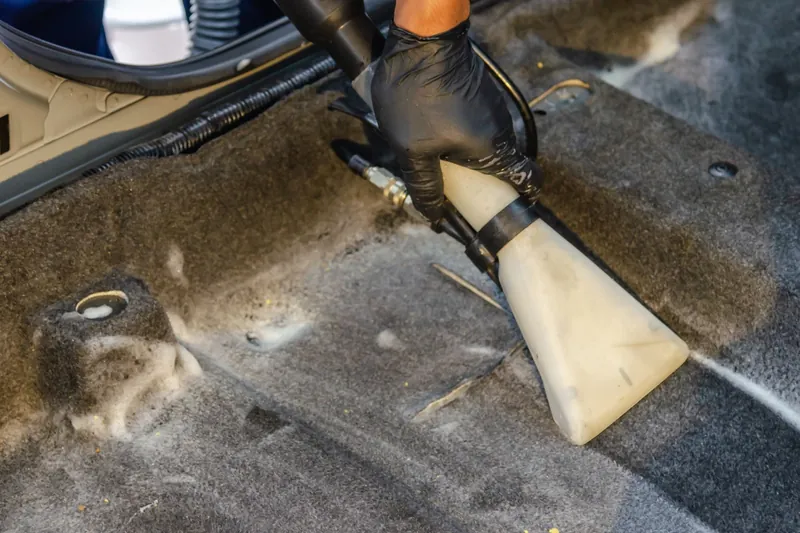
Containment, entry and cleanup plans can be influenced by local housing, population and access details.
Norton Commons is listed about 7.0 miles from Baptist Health Louisville, a relevant distance when prompt evaluation follows a biohazard exposure.
With Bonnycastle Neighborhood, Highlands-Douglass Neighborhood, and Original Highland Neighborhood close by, accurate street and unit details help avoid confusion during a sensitive response.
The neighborhood setting makes privacy especially important when equipment must pass through sidewalks, lobbies, or other visible common areas.
Your phone conversation can include questions about service in nearby ZIP codes and communities.
Emergency vehicle decontamination covers transport units, police cars and ambulances.
See police and ambulance vehicle decontamination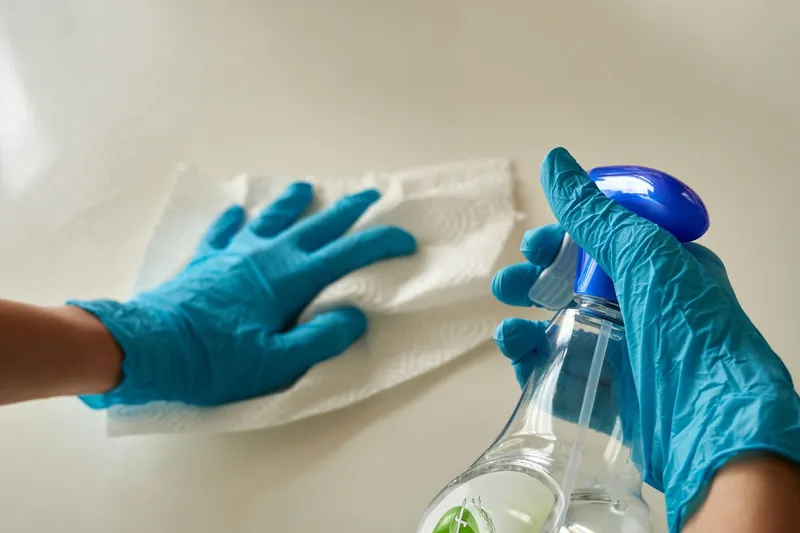
Carpet, solid floors, walls and furnishings receive blood cleanup that includes safe disposal.
See blood cleanup
Bodily fluid cleanup removes fluids and disinfects affected areas in businesses, homes and care settings.
See bodily fluid cleanup
Biohazards are cleaned from carpets and upholstery, or affected materials are removed safely when needed.
See biohazard carpet and upholstery cleaning
Cleanup removes sharps and needles from parks, rental sites, yards and encampments.
See needle and sharps cleanup
Following accidents, violence or injuries, trauma scene cleanup addresses the affected area.
See trauma scene cleanup
Complete decontamination treats the room, its surfaces and the air after a hazardous or infectious exposure.
See biohazard decontamination
Biohazard waste pickup and disposal in sealed, labeled containers.
See biohazard waste disposalOrdinary detail work addresses appearance along with common dirt and stains. During biohazard remediation, workers consider hidden liquid routes, bloodborne pathogens, protective gear, hazardous waste and disinfectant contact time. If contamination reached seat foam, carpet padding, insulation or vents, shampooing the visible fabric does not address everything beneath it. Ask specifically about professional biohazard cleanup.
The range is $500 to $5,000, based on the Biohazard Cleanup Cost Guide (2026) from BioCleaners Directory. Material types, event severity, time passed and any required ventilation decontamination all influence the total. A door-side view may miss contamination under carpet or inside a seat, so an inspection is necessary.
A safe outcome requires locating the entire affected area and successfully treating or taking out porous items that were contaminated. The work scope should tell you what came out, which surfaces were cleaned and whether workers checked the vents and interior filter. Prospective buyers should read the full record and think about getting an independent vehicle assessment.
Your automobile policy may pay for cleaning if it covers the event that caused the contamination. You may face an exclusion or deductible because cleanup is not covered by default. If delaying work is safe, call the insurance company first to report the incident, confirm towing and restoration details, and find out what records and photos the adjuster requires.
First, keep people out and inspect where the material traveled. The cleaning process separates personal property, removes absorbent materials that cannot be disinfected, cleans solid surfaces and uses an EPA-registered disinfectant through the full labeled contact period. Before the interior receives its final check, workers examine odor sources, ventilation openings and the cabin filter.
When a vehicle is reported for biohazards, it commonly means a record source received notice of prior contamination. The report alone cannot explain what happened, how well cleanup was completed or the vehicle's current state. Before using or purchasing the vehicle, request incident information, cleaning documentation and a list of replaced parts from the owner or seller, then arrange an independent inspection.
Respectful, discreet vehicle biohazard cleanup is available 24 hours a day, and crews arrive in unmarked vehicles.